
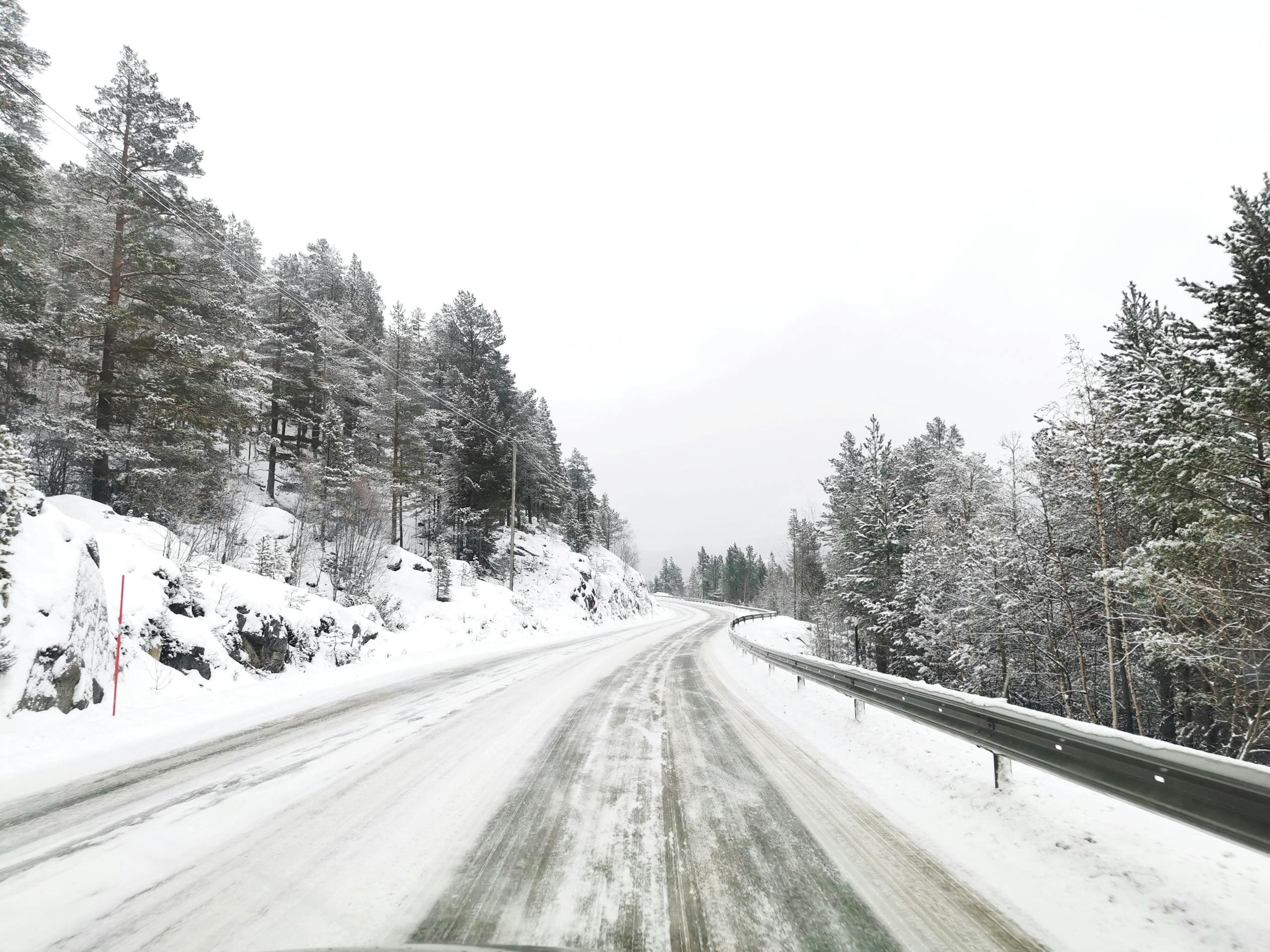
The potential for a major winter storm is brewing across the South from Texas to the Southeast coast by late week (January 23-25)

A fast-moving storm and a reinforcing Arctic high may bring a mix of rain, freezing rain, sleet and snow across parts of the South, Mid‑Atlantic and Northeast during the weekend of Jan. 23–25, 2026. Millions could be affected. If you have travel or vacation plans in or through the projected path, review the timeline and follow the practical steps below.
GENERAL TIMELINE
- Fri, Jan 23 — daytime: Texas Panhandle into Kansas; rain across much of Texas spreads east. Affected travel hubs: Oklahoma City, Dallas, Little Rock.
- Fri night, Jan 23 — overnight: Wintry mix (freezing rain/sleet) pushes south into central Texas and Arkansas; Heavy snow potential into parts of the Mid‑Atlantic a mix or ice reaches the Carolinas. Travel hubs impacted: Dallas area, Little Rock, Memphis, Charlotte, Raleigh, Nashville, Roanoke and Richmond.
- Sat, Jan 24 — daytime: Heavy snow potential extends into the Carolinas and Mid‑Atlantic. Travel hubs: Houston outskirts, Atlanta, Charlotte, Washington, D.C.
- Sat night, Jan 24: Ice chances reach the Gulf Coast (TX/LA); accumulating snow may develop across southern New England and the southern Northeast, including New York City and Philadelphia.
- Sun, Jan 25: Precipitation tapers off for most areas; mixed precipitation may change back to snow in Atlanta and the Carolinas before ending.
CITIES LIKELY TO HAVE TRAVEL IMPACTS
- High risk (expect major delays/disruptions): Nashville, Raleigh, Charlotted, Washington, D.C.; New York City; Philadelphia; Nashville; Oklahoma City; Little Rock.
- Moderate risk (localized icing, delays): Dallas area; Memphis; Atlanta; Virginia Beach; Houston (coastal areas Sat night).
Expect timing and impacts to change — check local forecasts.
HOW THIS IMPACTS TRAVEL & VACATIONS
- Flights: Delays, cancellations, and reroutes likely in and through affected airports, especially DCA, LGA/JFK/EWR, PHL, CLT and regional airports in the Southeast and Midwest. Allow extra connection time or consider rescheduling.
- Ground travel: Freezing rain and sleet create black ice and major roadway hazards; bridges and overpasses will freeze first. Long-distance drives across the storm path will be slow and may be dangerous.
- Trains/buses: Service reductions or cancellations possible; expect slower on-time performance and limited alternate options during peak icing/snow.
- Power/outages: Significant ice accumulations can cause tree damage and outages—this affects hotels, rental properties and services.
BEFORE YOU TRAVEL
- Monitor the forecast closely to determine whether you need to consider changing dates.
- Check cancel/change policies: Review airline, train, bus and hotel policies; many carriers allow waivers during winter storms. Contact providers for rebooking options.
- Monitor flight status & airport advisories twice daily starting now and morning of travel. Use airline apps for rebooking alerts.
- Build extra time: If you must travel, add significant buffer time for connections and ground transfers. Expect slower traffic to/from airports.
- Pack essentials in carry-on: warm layers, medications, charger(s), phone power bank, masks, hand sanitizer, snacks, water, copies of reservations.
- Car travel readiness: carry an emergency kit (blanket, shovel, ice scraper, flashlight, jumper cables, water, snacks, phone charger, sand/cat litter for traction). Fill gas tanks early.
- Lodging backup: Keep a flexible plan for extended stays; identify nearby hotels along your route in case you need to stop. Notify your accommodation if arrival times change.
- Travel insurance: If you purchased trip insurance, review covered reasons (weather-related delays/cancellations) and how to file claims.
- Special needs: If you need ground transportation to/from a cruise port, event or other fixed-time commitment, arrange alternatives or be prepared for last-minute changes.
AT YOUR DESTINATION – DURING THE STORM
- Follow local advisories and NWS watches/warnings. Don’t travel during freezing rain or heavy snow.
- Expect limited services: restaurants, attractions and transfers may operate on reduced schedules. Call ahead before heading out.
- Stay charged and stay warm: keep phones charged and maintain communications with family and travel providers